

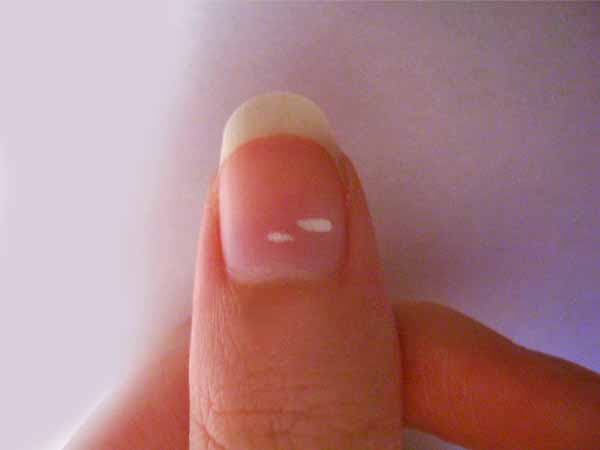



You glance down at your hands and notice a small white dot on your thumbnail. Then another on your index finger. Your mind immediately jumps to the old wives’ tale you’ve heard a hundred times—that white spots mean you’re not getting enough calcium. But is there any truth to this, or is it just another beauty myth?
The short answer is: it’s a myth. White spots on nails are almost never caused by a calcium deficiency. The real causes are far more common and, in most cases, completely harmless.
What Are Those White Spots, Anyway?
In medical terms, white spots on nails are called leukonychia (pronounced loo-koh-NIK-ee-uh). They can appear as small dots, thin lines running across the nail, or larger cloudy patches. When they show up as tiny, scattered dots, doctors call them punctate leukonychia—the most common form you’ll see on healthy people.
The good news? In the vast majority of cases, leukonychia is completely benign. It’s not painful, not contagious, and not a sign that something is seriously wrong with your health. The spots are simply a cosmetic change that usually resolves on its own.
Leukonychia vs. Fungal Nail Infection: What’s the Difference?
One of the most important distinctions to understand is the difference between harmless leukonychia and a fungal nail infection (onychomycosis). While both can cause white discoloration, they look and behave very differently.
Leukonychia appears as smooth white spots or streaks that are within the nail plate itself—you can’t scrape them off, and they grow out gradually as your nail grows. In contrast, a fungal infection often shows up as chalky white patches on the nail surface that you can actually scrape away with a fingernail. The nail may also become thickened, brittle, yellow, or brown over time.
If you see white patches that are powdery, spread to other nails, or come with thickening and crumbling of the nail, you may be dealing with fungus—not simple leukonychia—and should see a doctor for proper treatment.
The Most Common Culprit: Minor Trauma
The number one reason white spots appear is minor injury to the nail matrix—the hidden area beneath your cuticle where new nail cells are produced. Every time you bump your finger against a desk, close a drawer on your nail, or catch it on something, you may be causing microscopic damage. Even pressure from tight-fitting shoes can be enough to affect the nail matrix over time.
Here’s what makes these spots so confusing: the injury happens weeks before the spot actually appears. Because your nails grow slowly—about 3 millimeters per month—damage sustained today won’t show up as a white spot until the nail has grown out enough to reveal it. By the time you notice the spot, you’ve probably forgotten all about that small bump or knock.
Nail biting and picking are also major contributors. The constant pressure and trauma to the nail bed can trigger white spots repeatedly.
Other Causes to Be Aware Of
While trauma is the leading cause, there are other factors that can contribute to nail discoloration:
Allergic reactions. The products you use on your nails—polish, hardeners, acrylics, gel systems, and removers—contain chemicals that can sometimes trigger an allergic response, leading to white spots. If you notice white spots appearing after trying a new product, that may be the culprit.
Nutritional factors (less common). While the calcium myth is exaggerated, there is some evidence that persistent white spots could be linked to deficiencies in zinc or iron. However, nail changes alone are rarely enough to diagnose a deficiency. If you’re eating a balanced diet and your nails are otherwise healthy, the spots are almost certainly from trauma, not malnutrition.
Systemic health conditions (rare). In very rare cases, extensive white discoloration covering multiple nails can indicate underlying health issues like liver disease, kidney disease, or psoriasis. White bands that appear on all nails simultaneously (called Mees’ lines) can sometimes result from heavy metal poisoning or chemotherapy, but this is exceptionally uncommon.
Fungal infections. As mentioned earlier, superficial fungal infections can cause white patches on the nail surface. If the white areas are on top of the nail rather than embedded within it, and if you can scrape them off, fungus is the likely cause.
How to Treat White Spots on Nails
Here’s the honest truth: for the most common form of leukonychia (punctate leukonychia from minor trauma), no treatment is needed. The spot will simply grow out as your nail grows, eventually reaching the tip where you can file it away with a nail file.
Because fingernails take about 4 to 6 months to fully replace themselves, a white spot near your cuticle may take several months to disappear. Toenails grow even slower, taking 6 to 12 months for complete regrowth.
While you wait, you can cover the spots with nail polish if they bother you cosmetically. Choose a hypoallergenic or water-based formula and use a non-acetone remover to avoid further irritation.
If the spots are caused by an allergic reaction to nail products, simply stop using the suspected product, and the condition should improve. For cases linked to nutritional factors, eating a well-rounded diet rich in zinc (found in nuts, seeds, legumes, and meat), iron, and protein can help support overall nail health.
For fungal infections, antifungal creams or oral medications prescribed by a doctor are usually required. White superficial onychomycosis can sometimes be treated with topical antifungal lacquers like efinaconazole.
When to See a Doctor
Most white spots are nothing to worry about. However, you should consult a healthcare professional if:
- The spots spread to multiple nails or don’t go away as the nail grows
- The spots are accompanied by nail thickening, brittleness, crumbling, or yellow/brown discoloration (signs of fungus)
- The entire nail turns white
- You have other symptoms like fatigue, skin rashes, or swelling that accompany the nail changes
- White horizontal bands appear across all nails at the same time (possible sign of systemic illness)
Simple Ways to Prevent White Spots
Prevention is straightforward: protect your nails from injury. Wear gloves when doing household chores or yard work. Be gentle with your cuticles during manicures. Let your nails breathe between polish applications. If you bite your nails, work on breaking the habit—it’s one of the most common sources of repeated minor trauma to the nail matrix. Wear properly fitting shoes that give your toes enough room to move without pressing against the front.
A balanced diet rich in zinc, iron, and protein supports overall nail health, though it won’t directly “cure” white spots from existing trauma. And if you have a known allergy to certain nail products, switching to hypoallergenic alternatives can prevent further issues.
The Bottom Line
That little white dot on your nail is almost certainly just a souvenir of a past bump or knock you’ve long since forgotten. It’s not a calcium deficiency, not a sign of disease, and nothing to lose sleep over. Your nail will grow, the spot will move, and eventually it will be gone.
The nail bed’s ability to show you a visible record of past events—even something as trivial as a minor bump—is actually kind of remarkable. So next time you see a white spot, don’t panic. Just remember: your nails are keeping a diary. The entry usually reads: “Tuesday: Bumped finger. Continued growing.”
Read also: The Complete Guide to Home Pedicure: Supplies and Steps for Beautiful Feet